Navigating Cobalt Lake: Bear Safety & Essential Trail Tips in Glacier NP
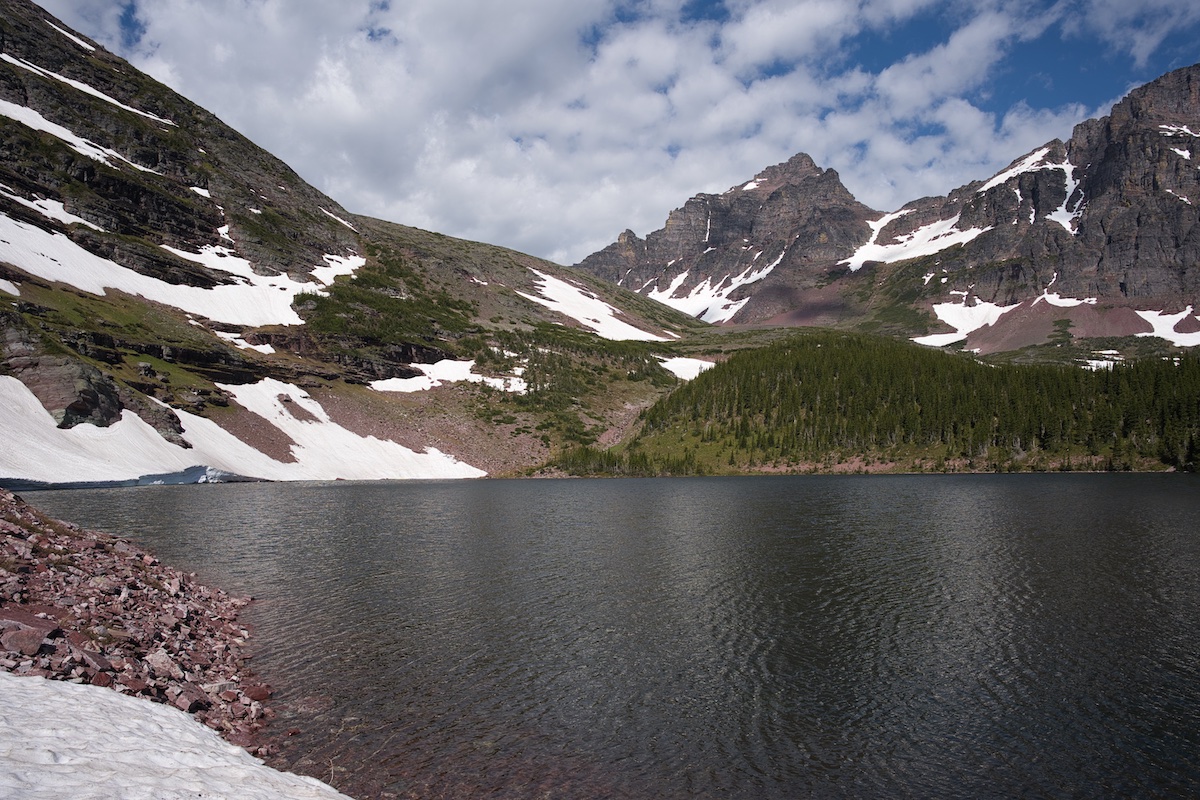
Deep within the breathtaking Two Medicine Region of Glacier National Park lies a jewel known as Cobalt Lake. This stunning alpine destination offers hikers a magnificent blend of towering peaks, pristine waterways, and abundant wildlife, making the trek to Cobalt Lake in Glacier National Park an unforgettable adventure. While the allure of its serene beauty is undeniable, embarking on this trail requires not just preparation for the hike itself, but also a thorough understanding of bear safety protocols. Glacier National Park is grizzly country, and a responsible hiker is a safe hiker.
The Majestic Journey to Cobalt Lake: A Trail Overview
Your journey to Cobalt Lake in Glacier National Park commences from the South Shore Trailhead at the eastern end of Two Medicine Lake. Even before you take your first step on the trail, the panoramic views from the eastern shore are a spectacle in themselves. Dominating the backdrop are the majestic profiles of Painted Tepee Peak, Sinopah Mountain, Lone Walker Mountain, and Mount Helen, creating a postcard-perfect scene that hints at the grandeur awaiting you.
The trail quickly introduces you to its charms:
- Paradise Point (approx. 0.25 miles): A short side trail leads to a small beach area offering commanding views of Two Medicine Lake and the formidable Rising Wolf Mountain. It's an ideal spot for an early photo opportunity.
- Beaver Ponds (approx. 0.5 miles): Over the next quarter-mile, you'll encounter a series of serene beaver ponds. This area is renowned as prime habitat for moose, which are frequently spotted foraging in the calm waters and surrounding foliage, particularly during the tranquil morning and late afternoon hours. Keep a respectful distance and observe these magnificent creatures in their natural environment.
- Montane Forest & Meadows: As you proceed, the trail winds through a vibrant montane forest, characterized by tall lodgepole pines, stately spruces, and robust Douglas firs. These dense wooded sections are interspersed with several small and large meadows, offering open vistas and a chance to spot diverse flora and fauna.
- Aster Creek & Aster Falls (approx. 1.1 miles): You'll cross over Aster Creek, and a short distance beyond, you'll reach a side trail leading to the enchanting Aster Falls and the scenic Aster Park Overlook. While a rewarding detour, those heading directly to Cobalt Lake should continue straight at this junction towards Rockwell Falls.
- Paradise Creek Suspension Bridge (approx. 2.3 miles): An exhilarating highlight is the suspension bridge over Paradise Creek. While it may feel a bit "rickety" to some, simply walk slowly, stay towards the middle, and keep both hands on the railings for a safe and steady crossing.
- Trail Junction (approx. 2.6 miles): A critical junction marks the intersection of the South Shore Trail and the Two Medicine Pass Trail. Turning right onto the South Shore Trail can lead you to the boat dock on the western shore of Two Medicine Lake (offering a paid boat ride back to the trailhead) or further to Twin Falls and Upper Two Medicine Lake. To continue your quest for Cobalt Lake in Glacier National Park, you must turn left onto the Two Medicine Pass Trail. Up to this point, the trail has generally tracked towards Sinopah Mountain; now, it shifts southward, heading towards Painted Tepee Peak.
- Rockwell Falls (approx. 3.5 miles): Just after crossing another footbridge and making a turn to the right, you'll arrive near the base of Rockwell Falls. This impressive cascade consists of two separate falls. The more visible one drops approximately 30-40 feet. A second, equally tall waterfall is situated about 100 feet behind the main falls, partially obscured by trees. For those willing to do a little careful bushwhacking, a better viewpoint of this hidden gem awaits.
For a more in-depth look at this particular trail and its many marvels, dive into our comprehensive guide: Hike to Cobalt Lake: Your Complete Guide to Glacier's Two Medicine Gem.
Navigating Wildlife Encounters: Essential Bear Safety Protocols
The pristine wilderness surrounding Cobalt Lake in Glacier National Park is home to a diverse array of wildlife, most notably grizzly and black bears. While encountering these magnificent creatures can be a powerful experience, it necessitates strict adherence to bear safety protocols. It's crucial to understand that even heavily trafficked sections of the trail, such as the first 2.4 miles of the South Shore Trail, are not immune to bear activity. Reports of bears crossing the footpath in the early afternoon, even amidst "scads of people," underscore the importance of constant vigilance.
A key factor in bear presence, especially along the trail to Cobalt Lake, is the abundance of natural food sources like thimbleberry and huckleberry shrubs. These berries ripen in late summer, attracting bears looking to bulk up before winter. Hikers must therefore be extra cautious during these months.
Here are essential bear safety tips:
- Carry Bear Spray: This is non-negotiable. Ensure your bear spray is easily accessible (not in your pack) and that you know how to use it. Practice deploying it beforehand if you're unfamiliar.
- Make Noise: Announce your presence by talking, clapping, or yelling "Hey bear!" every few minutes, especially when hiking through dense vegetation, around blind corners, or near rushing water. Bears generally want to avoid humans, and surprising them can lead to defensive encounters.
- Hike in Groups: Traveling with companions significantly reduces the risk of a negative bear encounter. Larger groups are louder and appear more intimidating to bears.
- Store Food Properly: Never leave food unattended. Store all food, garbage, and scented items (like toiletries) in bear-resistant containers or hung from a tree using a bear bag system.
- Look for Bear Sign: Be aware of your surroundings. Fresh bear scat, tracks, overturned rocks, or claw marks on trees are indicators of recent bear activity.
- What to Do in an Encounter:
- Stay Calm: Do not run. Running can trigger a chase response.
- Identify Yourself: Speak in a calm, assertive voice to let the bear know you are human. Wave your arms slowly to appear larger.
- Back Away Slowly: Give the bear space. Do not block its escape route.
- If a Bear Charges: Use your bear spray if the bear is within 30 feet. Aim for the face.
- If a Grizzly Makes Contact: Play dead. Lie on your stomach, cover your neck with your hands, and spread your legs to prevent the bear from rolling you over. Remain still until the bear leaves.
- If a Black Bear Makes Contact: Fight back aggressively, focusing on the face and snout.
Beyond Bears: Smart Hiking Tips for a Seamless Adventure
While bear safety is paramount, a successful trek to Cobalt Lake in Glacier National Park also hinges on general hiking preparedness and smart decision-making. The park's diverse terrain and unpredictable weather demand respect and readiness.
- Gear Up Appropriately: Wear sturdy, broken-in hiking boots with good ankle support. Dress in layers, as mountain weather can change dramatically throughout the day. Always carry rain gear, even on a sunny forecast.
- Hydration & Nutrition: Carry plenty of water (at least 2-3 liters per person) and high-energy snacks. A water filter or purification tablets are wise if you plan to refill from natural sources.
- Navigation Tools: Cell service is unreliable, so bring a physical map of the Two Medicine area and a compass, or download offline maps to your phone. Familiarize yourself with the route before you go.
- Check Weather Forecasts: Mountain weather is notoriously fickle. Be prepared for sudden drops in temperature, rain, or even snow, especially during shoulder seasons.
- Leave No Trace Principles: Help preserve the pristine beauty of Glacier National Park. Pack out everything you pack in, including all garbage, food scraps, and even fruit peels. Stay on marked trails to protect fragile vegetation, and never disturb wildlife or natural features.
- Physical Preparation: The hike to Cobalt Lake is generally considered moderate to strenuous, covering significant distance and elevation gain. Ensure you are in adequate physical condition to enjoy the full experience.
- Early Start: Beginning your hike early in the morning offers several advantages: cooler temperatures, fewer crowds, and increased chances of spotting wildlife like moose in their active hours.
Planning Your Cobalt Lake Expedition: Logistics & Best Practices
To maximize your experience to Cobalt Lake in Glacier National Park, a bit of planning goes a long way. The Two Medicine Region, while popular, offers a slightly less congested experience compared to the bustling Going-to-the-Sun Road corridor, making it an excellent choice for those seeking both beauty and relative tranquility.
- Best Time to Visit: The ideal time for hiking to Cobalt Lake is typically from late June or early July through September. Earlier in the season, trails may still be covered in snow, while October brings colder temperatures and potential for early winter storms. Always check current trail conditions before heading out.
- Park Entrance Fees & Reservations: While the Two Medicine area may not always require vehicle reservations like other parts of Glacier National Park during peak season, it is crucial to check the official National Park Service website for the latest regulations, fees, and any necessary permits or reservations before your trip.
- Accommodation: The Two Medicine area offers a campground, and there are additional lodging options in nearby towns like East Glacier Park Village. Booking accommodations well in advance is highly recommended, especially during summer.
For further details on the captivating wildlife and geological wonders you'll encounter, read our article: Glacier National Park's Cobalt Lake: Moose, Waterfalls & Stunning Views.
The journey to Cobalt Lake is more than just a hike; it's an immersive experience into the heart of Glacier National Park's wild beauty. By understanding the trail, preparing adequately, and respecting the wildlife, especially bears, you ensure not only your safety but also the preservation of this incredible ecosystem for generations to come. So pack your bags, lace up your boots, and prepare for an adventure to one of Glacier's most captivating destinations.
